Sunday, November 15, 2015

Land Ho!: The Best Social Media Options for History Courses


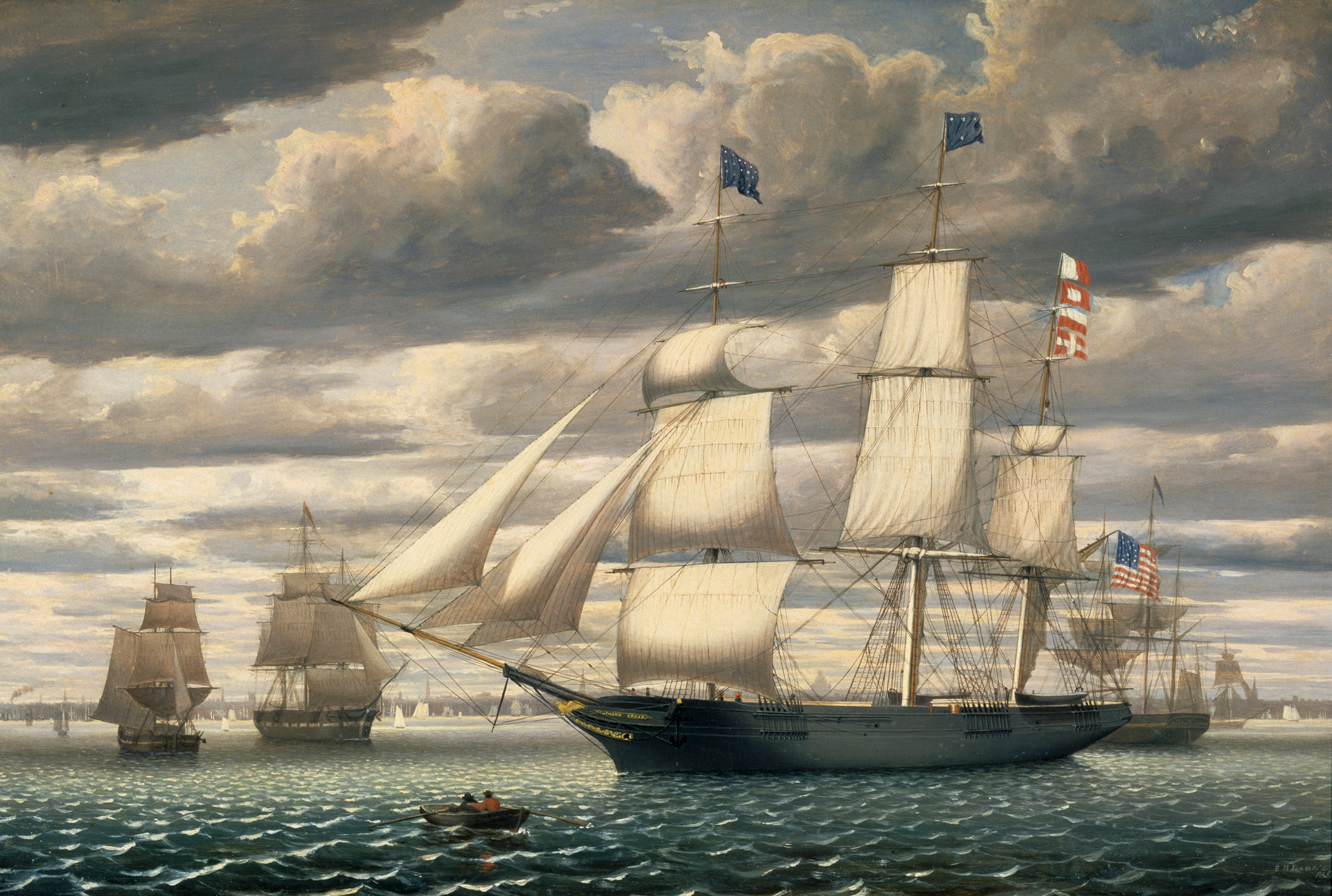
As our ship sails into harbor and prepares to dock, let's take a look at some of the best social media options that can be utilized for the study of history.

1. Facebook - After speaking with several students in my face-to-face classes, it seems that the current king of social media is still the preferred option for students to interact with their instructors and peers in a classroom setting. Many students of all ages are already familiar with the website format, and the page can be updated every semester with a different password. The best part is that you can collect all of the cool photos that students post in your album for the next class! Moreover, students have told me that this is the one social media website they check daily--even if they hate doing so. 

2. Twitter- Students enjoy brevity and constant reminders. I think Twitter can fit that bill. History instructors can use it for reminders throughout the course of due dates and assignments as well as guide students to historical websites, controversies, and videos. I think a great assignment would be for students to choose a particular topic regarding U.S., World or European History (racism, patriarchal societies, fashion, immigration, terrorism, diet, etc.) and compare what current popular societal figures are saying about those topics. Critical thinking questions could be fashioned such as: How far have we come as a society on this topic? If modern society still holds the same views or trends regarding this topic, why do you think nothing has changed? Give examples from sources we have studied and modern-day tweets.

3. Dipity- As mentioned in my previous blogs, this website is chalked full of history-rich ideas that focus on chronological analysis. The use of timelines has several applicable uses in a history classroom such as mapping how individuals changed over their lives or how nations and ideas continued to mutate throughout the centuries. 

Overall, these social media tools can improve a face-to-face or online environment for any history instructor. 

Now that we have dropped anchor on a solid foundation of understanding social media and teaching history, let's get to work!


Sunday, November 8, 2015

Managing Mutineers: Using Social Media to Build and Keep Classroom Trust

What can happen in a classroom when an instructor loses control of their class? Well for one, students who challenge the rules of an instructor and do not receive appropriate consequences often precipitate and encourage future violations of those very same rules. The end result--instructors become Anthony Hopkins (Cpt. Bligh)  in this clip from the 1984 film "The Bounty":


In 1789, the H.M.S. Bounty was taken control of by mutineers. All it took was one crazed person (Lt. Fletcher, played by Mel Gibson) to rebel against the rules on the ship and everyone else followed. Part of being a good captain back then was balancing mandatory discipline with certain freedoms for your crew. Too much rigidness could lead to the above scene (as was the case in 1789).

Likewise, instructors of today need to create a structured and regulated learning environment that still allows for their students to enjoy creative freedoms. Social media can be a powerful tool to accomplish this. As long as the instructor sets clear guidelines and enforces consequences for the breaking of rules, history classes can utilize social media to assist in the creative learning process.

One such invaluable social media tool for history classes is Dipity. It allows for students to create historical timelines that are interactive--complete with music, videos, and photographs. Students could build a complex timeline throughout the course or complete a concise one for a smaller project. Either way, it forces them to do exploratory learning--where they hunt for material to prove their historical argument and learn along the way. For more information about how Dipity can be used in a classroom, checkout this review: http://teachinghistory.org/digital-classroom/tech-for-teachers/24620

Remember that in allowing students to use social media for assignments, you are giving them a certain amount of creative license. But that creativity must have rules affixed to it to prevent headaches and future problems. If a student were to, for example, post several profanity-laced historical videos on their Dipity timeline, and the instructor simply glossed over that in their grading without punishment, it would only encourage future rule-breaking by their peers. Deciding to punish similar mistakes later on would lead to a feeling of inequality in the class and distrust for the instructor. Pretty soon, you will have a Mel Gibson running around your classroom screaming, "I am in hell!" rallying others to rebel.

Do not let that happen. Lay down ground rules for social media sites like Dipity, Instagram or Google+ (all useful in history classrooms) early on and enforce those rules constantly. That way a mutiny among your students over rules and guidelines will never be allowed to surface.